


Three Key Elements in Developing Leaders
Three Key Elements in Developing Leaders Shares Thirty years ago I graduated in the pioneer class of dental surgeons at...
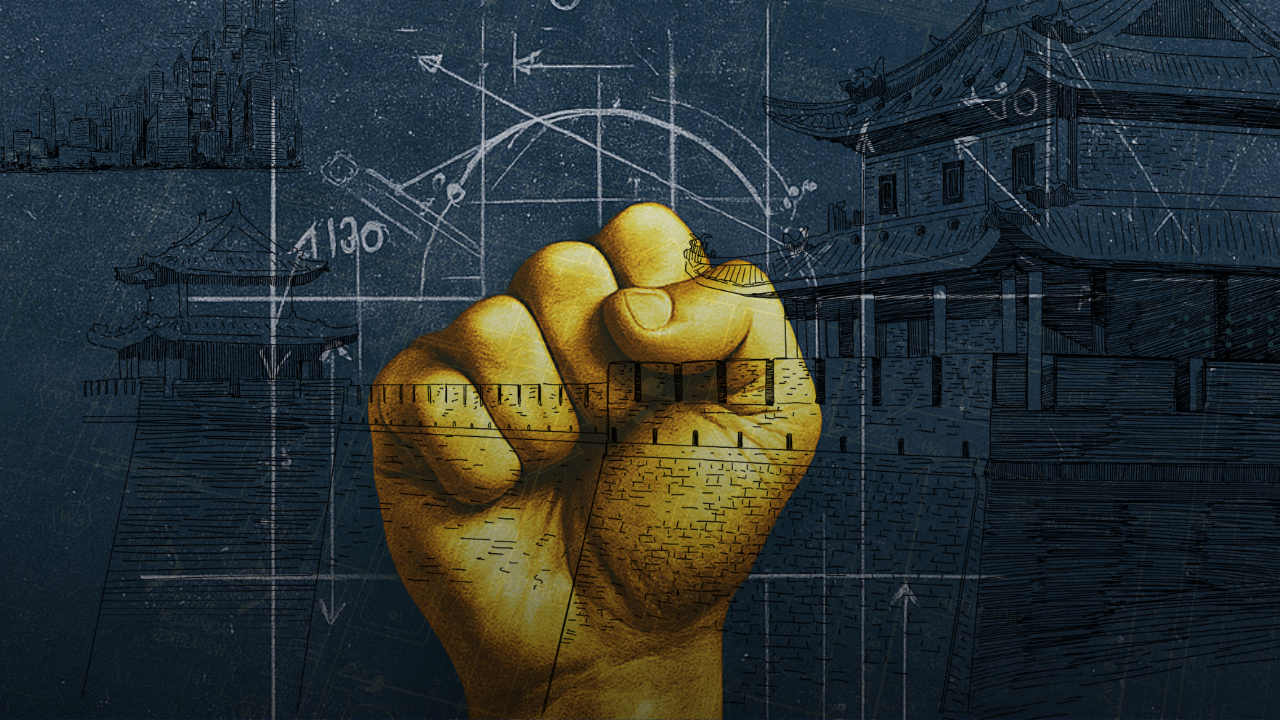
When nations rise, many credit natural resources, foreign aid, charismatic leadership, or favorable geopolitics. But the true engine behind national greatness is often hidden: discipline. Without it, talent is wasted, institutions crumble, and even the most promising nations fall into cycles of dysfunction.
Discipline is the invisible scaffolding that sustains civilization; the unseen infrastructure of Great Nations. It orders the soul of a nation, from homes and classrooms to courts and parliaments. Remove it, and chaos reigns. Strengthen it, and even devastated nations can rise from ruin to global leadership.
Germany’s Post WW2 Recovery
Japan’s Phoenix Moment
The Warning from the Book of Judges
“In those days there was no king in Israel; everyone did what was right in his own eyes.” (Judges 21:25)
This verse captures the decay of a nation when discipline and divine order disappear. Repeated throughout Judges, it marks an era of moral relativism, tribal conflict, and societal breakdown. When leadership is absent and God’s laws are ignored, nations collapse inward.
Nehemiah’s Model of Disciplined Leadership
Nehemiah wasn’t a warrior, he would compared to a senior civil servant today, a man of prayer, vision, and strategic order. Amidst ridicule and threats, he organized the people, armed the builders, resisted corruption, and calmly confronted opposition.
In just 52 days, the broken walls of Jerusalem were restored, reviving not just infrastructure, but national identity and godly order. Nehemiah proves that disciplined leadership, rooted in divine purpose, can rebuild what years of destruction have erased.
If we are to rebuild or safeguard our nations, we must confront the painful reality of our discipline deficit:
• Corruption and Impunity
Bribery, embezzlement, and abuse of power have become normalized, corroding public trust and moral conscience.
• Weak Rule of Law
Politicized courts and selective justice weaken institutions meant to uphold fairness and order.
• Poor Work Ethic
Chronic absenteeism, habitual lateness, and low productivity in public service drain national progress.
• Tax Evasion
Billions are lost annually through dishonest practices—especially in the informal sector—starving critical development sectors.
• Traffic Indiscipline
Over 20,000 road accidents occur yearly in Uganda due to reckless driving, bribe culture, and blatant disregard for rules.
• Social Breakdown
From queue-jumping and littering to vandalism and exam malpractice, a lack of civic responsibility signals deep moral erosion.
These are not harmless habits or cultural quirks. They are signs of national decay. Without a return to discipline, order, and integrity, no law or leader can redeem a nation teetering at the edge.
National discipline is not built by governments alone, it begins at the roots. True transformation starts in the heart, the home, and the local institution.

Raising Disciplined Children in a Permissive Age
Parenting is under pressure. Discipline is often labeled as oppressive or outdated. Yet, true freedom flows from structure. Churches, schools, and communities must collaborate in raising grounded, values-based children.
Human Rights vs. Righteousness
While human rights are vital, not all modern interpretations promote societal health. When “freedom” loses moral anchors, it breeds selfishness and disorder. Every right must be weighed against God’s standards of justice.
Tax Avoidance vs. Tax Evasion
Legal optimization is not sin, but evasion is theft. A nation where everyone cheats the system will collapse. The difference must be taught, understood, and enforced.
Live it: Be the disciplined person your nation needs.
Model it: Let your family or workplace reflect God’s order.
Demand it: From institutions and leaders without compromise.
Protect it: From erosion by trends, corruption, or compromise.
“No discipline seems pleasant at the time, but painful. Later on, however, it produces a harvest of righteousness and peace…” (Hebrews 12:11)
National discipline is not a punishment, it is a gift, a blueprint from heaven for lasting greatness. Let us choose the path of order, justice, and godliness. Let Uganda, and every African nation, rise not on the shoulders of donors or the noise of politics, but on the firm foundation of discipline. For when discipline becomes our culture, transformation will no longer be a dream. It will be our reality. Let us remember: discipline is not bondage. It is freedom. It is the foundation upon which nations flourish.
Three Key Elements in Developing Leaders Shares Thirty years ago I graduated in the pioneer class of dental surgeons at...
Indigenous Think Tanks Are Indispensable For The Emergence Of The Africa We Want To See Shares The brain is the...
